Nitrile vs Latex vs Vinyl: How to Choose Medical Gloves
Compare nitrile, latex and vinyl exam gloves, what mil thickness and ASTM ratings mean, and how to pick the right size and grade for clinics, home care and cleaning.
How supportive shoes and orthotic insoles can help heel and arch pain, what to look for (arch height, heel cup, firmness), and when to see a clinician.
For heel and arch pain, look for firm arch support, a deep heel cup and cushioning under the heel, in shoes with a stiff heel counter. Over-the-counter orthotic insoles, daily calf and foot stretches, and avoiding flat unsupportive footwear are common first steps. See a clinician if pain lasts more than a few weeks.
Plantar fasciitis, irritation of the thick band of tissue under your foot, is one of the most common causes of heel pain. It's often worst with the first steps in the morning. Supportive footwear is one of the simplest things you can change.
Common self-care includes calf and plantar fascia stretches (especially before getting out of bed), rolling the arch over a bottle or ball, resting from high-impact activity, and managing body weight. Most cases improve over several months with these measures.
Supportive insoles and shoes are a common first-line self-care option and many people find they reduce heel pain, especially combined with stretching. They support the arch and reduce strain on the plantar fascia.
Typically 6–12 months with daily use, depending on your weight and activity. Replace them when the arch flattens, the heel cup compresses or pain returns.
Yes, if you have heel pain. Walking barefoot on hard floors removes arch support, so a supportive slipper keeps up the benefit indoors.
Medical disclaimer: This article is for general information and isn't a substitute for professional medical advice, diagnosis or treatment. Ask a qualified clinician about your situation. Some links are affiliate links; see our disclosure.
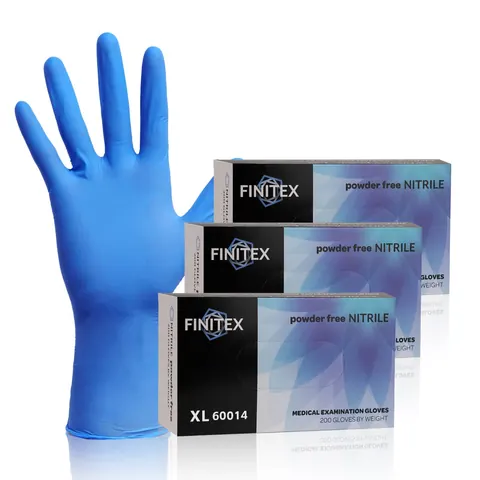
Compare nitrile, latex and vinyl exam gloves, what mil thickness and ASTM ratings mean, and how to pick the right size and grade for clinics, home care and cleaning.
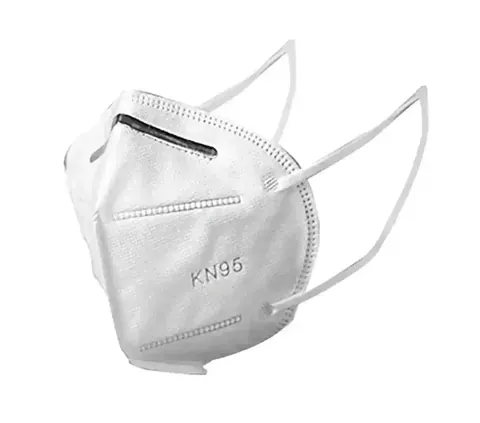
A clear comparison of N95, KN95, KF94 and surgical masks: filtration standards, fit, which to choose for kids, and how to spot counterfeits.

How online weight-management and hormone therapy programs work, who GLP-1 medications are approved for, costs and questions to ask before you sign up.