N95 vs KN95 vs KF94 vs Surgical Masks: What's the Difference?
A clear comparison of N95, KN95, KF94 and surgical masks: filtration standards, fit, which to choose for kids, and how to spot counterfeits.
Compare nitrile, latex and vinyl exam gloves, what mil thickness and ASTM ratings mean, and how to pick the right size and grade for clinics, home care and cleaning.
For most clinical and home-care tasks, choose powder-free nitrile exam gloves about 3–4 mil thick that meet ASTM D6319. They're latex-free, puncture-resistant and comfortable. Use 6–8 mil textured nitrile for cleaning or heavy-duty work, and keep vinyl for brief, low-risk tasks like food prep.
Disposable gloves look alike, but the material, thickness and certification make a big difference to protection, comfort and cost. Here's how to choose the right box the first time.
| Material | Best for | Pros | Watch-outs |
|---|---|---|---|
| Nitrile | Exams, home care, labs, cleaning | Latex-free, strong puncture and chemical resistance, good fit | Slightly pricier than vinyl |
| Latex | Tasks needing high dexterity | Very elastic, excellent touch sensitivity | Latex allergies affect both wearers and patients |
| Vinyl | Food handling, quick low-risk tasks | Cheapest, latex-free | Looser fit, tears more easily, weaker barrier |
Because of latex allergy risk, many clinics have switched to nitrile as their default glove.
A mil is one-thousandth of an inch, measured at the fingertip or palm. As a rule of thumb:
Measure around your palm at its widest point (excluding the thumb). Roughly: under 7" = S, 7–8" = M, 8–9" = L, 9"+ = XL. Gloves that are too tight tear; too loose and you lose grip and dexterity.
Change gloves between patients and tasks, and whenever they're torn or contaminated. A small clinic can easily use several hundred gloves a week, which is why cases of 600–1,000 usually work out cheapest per glove.
Pair gloves with the right mask for full protection. See our N95 vs KN95 vs KF94 guide.
For most people, yes. Nitrile is latex-free, more puncture-resistant and resists many chemicals. Latex offers slightly better stretch and feel but can trigger allergies.
Around 3–4 mil for exams and home care, 4–5 mil for longer or messier tasks, and 6–8 mil for heavy-duty cleaning or industrial work.
No. Disposable gloves are single-use. Change them between patients or tasks and whenever they tear, and wash your hands after removing them.
Medical disclaimer: This article is for general information and isn't a substitute for professional medical advice, diagnosis or treatment. Ask a qualified clinician about your situation. Some links are affiliate links; see our disclosure.
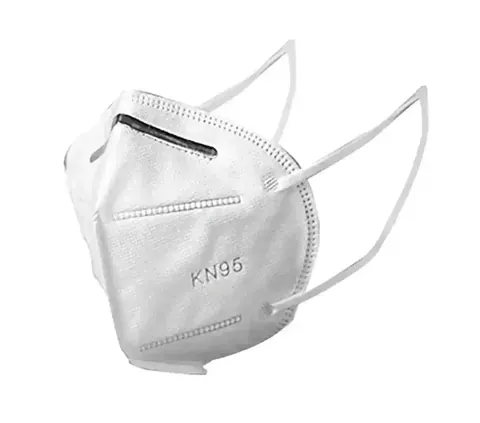
A clear comparison of N95, KN95, KF94 and surgical masks: filtration standards, fit, which to choose for kids, and how to spot counterfeits.
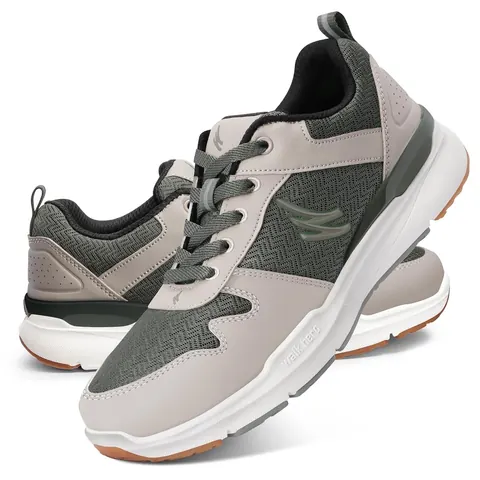
How supportive shoes and orthotic insoles can help heel and arch pain, what to look for (arch height, heel cup, firmness), and when to see a clinician.

How online weight-management and hormone therapy programs work, who GLP-1 medications are approved for, costs and questions to ask before you sign up.