How to choose disposable gloves
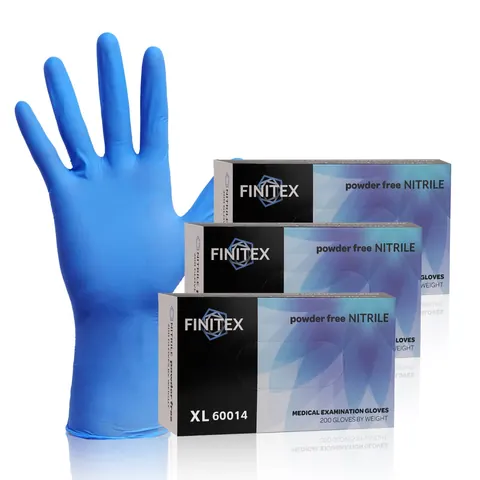
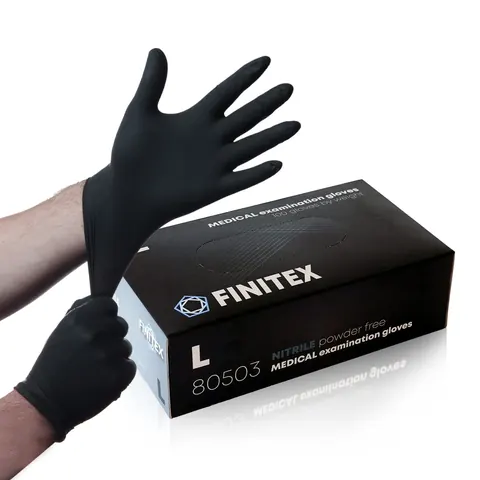
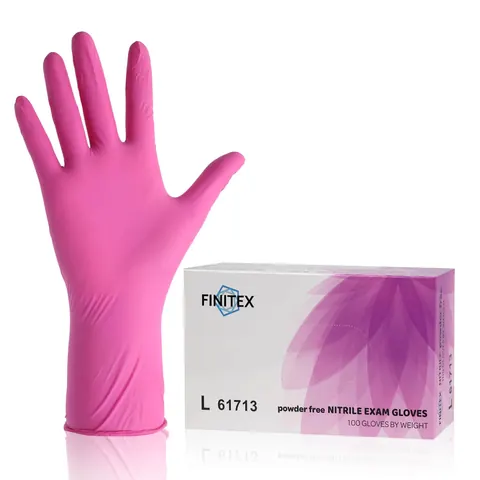
Finitex by Titans Medicare makes latex-free nitrile gloves, from thin exam gloves to thick, textured gloves for cleaning and industrial work, sold by the box and the case.
What to look for
- Thickness (mil). Around 3 mil gives good touch sensitivity for exams, home care, food prep and salons. Gloves of 6 to 8 mil resist tears and chemicals better for cleaning, auto and industrial jobs, with less fingertip feel.
- Grip texture. Diamond-textured gloves hold wet, oily or greasy surfaces better than smooth-finish gloves.
- Material. Nitrile is latex-free, so it suits people who need to avoid latex, and it is more puncture-resistant than vinyl.
- Powder-free. Powder-free gloves leave no residue on hands, food or surfaces.
- The right size. Gloves that are too tight tear; gloves that are too loose snag. Measure across your palm and check the size chart.
- Colour. Colours make tears easy to spot and let teams colour-code tasks, such as one colour for food and another for cleaning.
Our full guide on how to choose medical gloves explains exam-grade standards and thickness in more detail.
Before you buy
Work out how many pairs you use in a typical week and which tasks they're for. Most households and small clinics do well with one box of thin exam gloves for everyday care and one box of thicker gloves for cleaning. If several people share the supply, order a box in each size you need rather than a single size that fits nobody well. Store gloves away from direct sunlight and heat, which can weaken nitrile over time.