The Complete Home First Aid Kit Checklist (2026)
Everything a well-stocked home first aid kit should contain, plus how to store it and when to restock. Printable checklist included.
Which wound care supplies you actually need, from bandages and gauze to hydrocolloid and foam dressings, and how to buy them safely online.
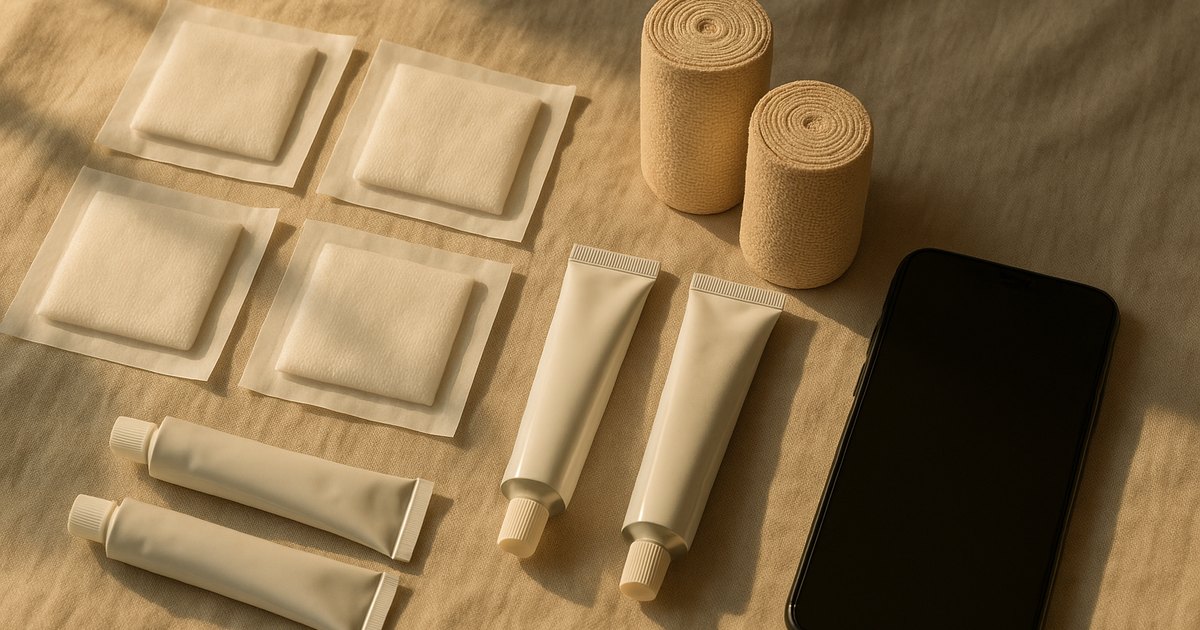
For most home wound care you need sterile gauze, non-stick pads, medical tape, adhesive bandages, saline or gentle cleanser and disposable gloves. Advanced dressings (hydrocolloid, foam, alginate) are for specific wounds, so follow your clinician's instructions. Buy sterile, sealed products from reputable sellers.
Whether you're caring for a post-surgical incision, a slow-healing wound or everyday cuts and scrapes, buying supplies online can save time and money. This guide explains the main product types and how to shop safely.
| Dressing | Typically used for |
|---|---|
| Hydrocolloid | Light-to-moderate exudate; blisters and some pressure areas |
| Foam | Moderate-to-heavy exudate; cushioning over bony areas |
| Alginate | Heavily draining wounds |
| Transparent film | Covering IV sites and superficial wounds |
| Hydrogel | Dry wounds and minor burns |
For chronic, diabetic or post-surgical wounds, use the dressings your clinician recommends. The wrong dressing can slow healing.
Independent references for checking the safety, rules and buying details covered in this guide. We are not affiliated with these organizations.
Sterile gauze, non-stick pads, medical tape, adhesive bandages, saline or a gentle cleanser and disposable gloves cover most minor wounds.
Hydrocolloid dressings suit shallow wounds with light-to-moderate drainage, like blisters. Don't use them on infected wounds, and follow clinical advice for chronic wounds.
Medical disclaimer: This article is for general information and isn't a substitute for professional medical advice, diagnosis or treatment. Ask a qualified clinician about your situation. Some links are affiliate links; see our disclosure.
Mass Medical Coding reviews your ICD-10-CM, CPT and HCPCS coding and documentation, finds where claims are denied or under-coded, and helps your team fix it.
Request a free revenue assessmentFrom the team behind MedicalSupplie. What a coding review includes
Everything a well-stocked home first aid kit should contain, plus how to store it and when to restock. Printable checklist included.
Canes, walkers, rollators and wheelchairs compared, plus how to choose the right mobility aid, set the correct height and stay safe at home.
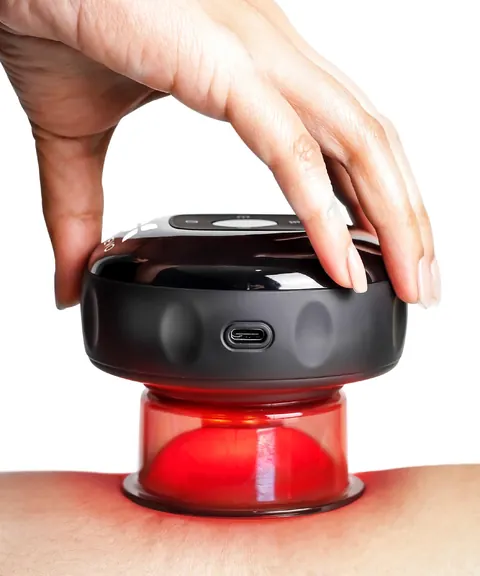
What rechargeable smart cupping devices do, what the evidence says, and simple safety tips for using them on sore muscles at home.