Buying Wound Care Supplies Online: A Practical Guide
Which wound care supplies you actually need, from bandages and gauze to hydrocolloid and foam dressings, and how to buy them safely online.
Everything a well-stocked home first aid kit should contain, plus how to store it and when to restock. Printable checklist included.
A home first aid kit should include adhesive bandages in several sizes, sterile gauze, tape, a roller bandage, antiseptic wipes, antibiotic ointment, disposable nitrile gloves, tweezers, scissors, an instant cold pack, a thermometer, pain relievers and an emergency blanket. Check it twice a year for expired items.
Most household injuries are minor cuts, burns, sprains and splinters. A well-stocked kit means you can deal with them calmly. Use this checklist to build or restock yours.
Keep the kit somewhere cool, dry and easy to reach, but out of children's reach. The kitchen or a hallway cupboard is better than a steamy bathroom. Keep a smaller kit in the car. Twice a year (for example when the clocks change), replace anything expired or used.
Adhesive bandages, sterile gauze, medical tape, antiseptic wipes, antibiotic ointment, disposable gloves, tweezers, scissors, an instant cold pack and pain relievers.
At least twice a year, and after every use. Replace expired medicines and restock anything you've used.
Medical disclaimer: This article is for general information and isn't a substitute for professional medical advice, diagnosis or treatment. Ask a qualified clinician about your situation. Some links are affiliate links; see our disclosure.
Which wound care supplies you actually need, from bandages and gauze to hydrocolloid and foam dressings, and how to buy them safely online.
Canes, walkers, rollators and wheelchairs compared, plus how to choose the right mobility aid, set the correct height and stay safe at home.
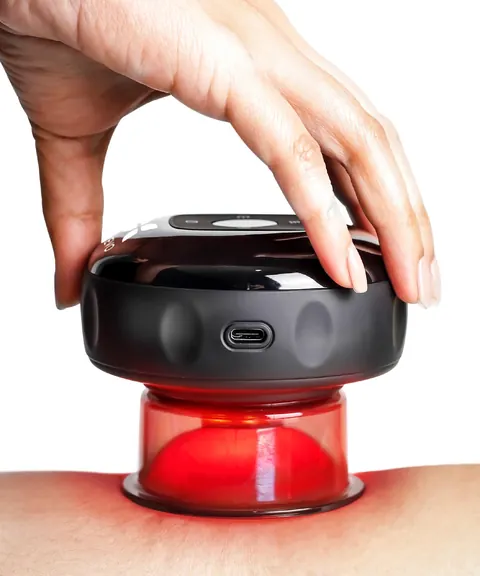
What rechargeable smart cupping devices do, what the evidence says, and simple safety tips for using them on sore muscles at home.